Blog
Techniques, comparisons, and plain-English explanations that make your AI images better — written for creators, not researchers.
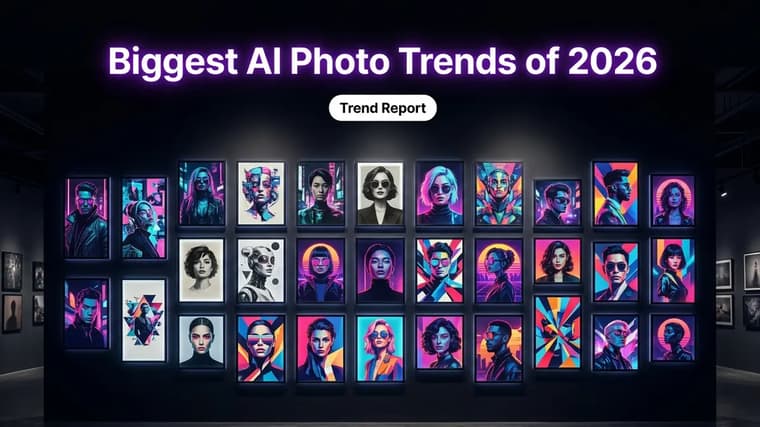
From 80s synthwave aesthetics to 3D figurines and retro saree portraits — the AI photo trends dominating social media in 2026, why they work, and starter prompts for each.
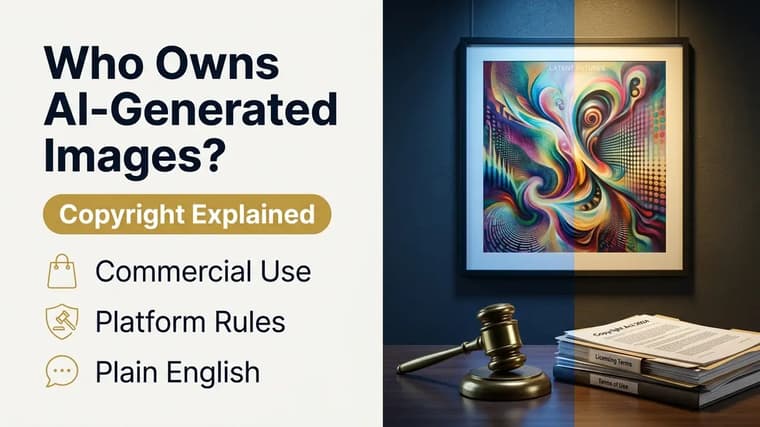
Can you sell or copyright AI-generated images? A plain-language guide to ownership, tool terms of service, common legal risks, and a practical safe-use checklist.
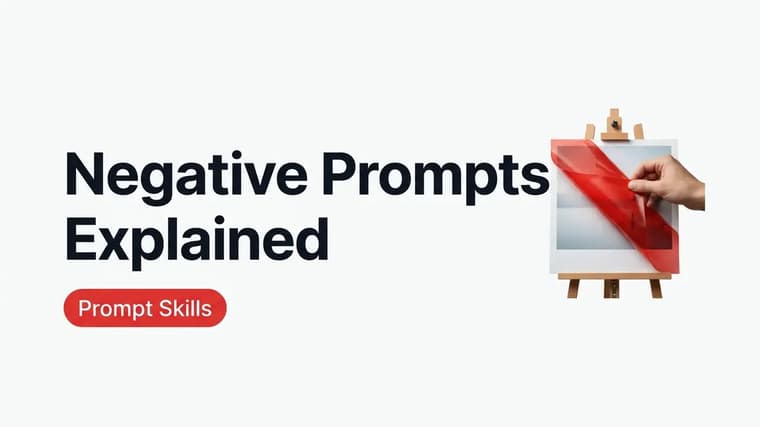
What negative prompts are, which AI tools support them versus natural-language exclusions, the negatives worth using, and when excluding things backfires.
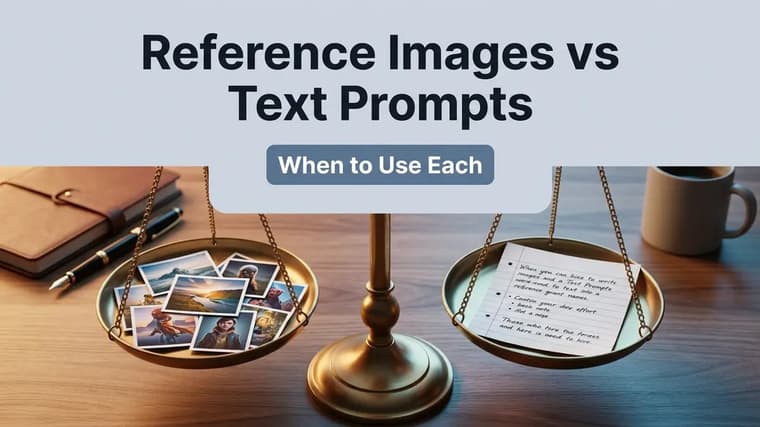
Learn when a reference image beats a text prompt — identity, pose, products — when words win, and how to combine both in ChatGPT and Gemini without conflicts.
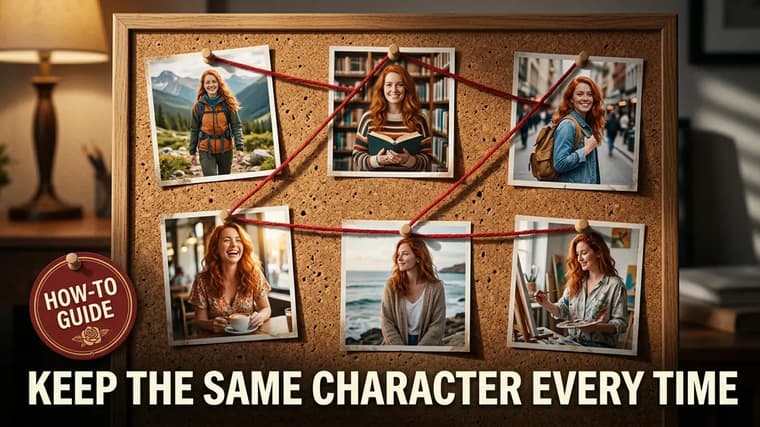
Practical techniques for character consistency in AI images — reusable character sheets, reference photos, seed reuse, and editing versus regenerating.
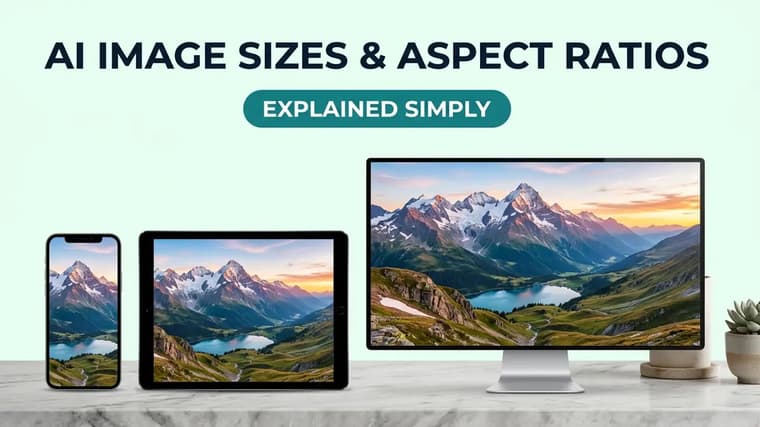
What 1:1, 4:5, 9:16, 16:9, and 3:2 are actually for, how to request each ratio in your AI image prompts, and the cropping mistakes that ruin good images.
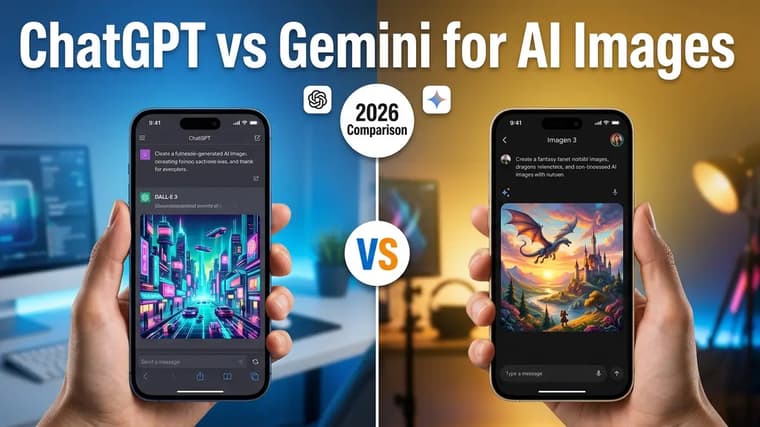
An honest, hands-on comparison of ChatGPT and Gemini for image generation: where each one wins, how prompting differs, and which to pick for your project.
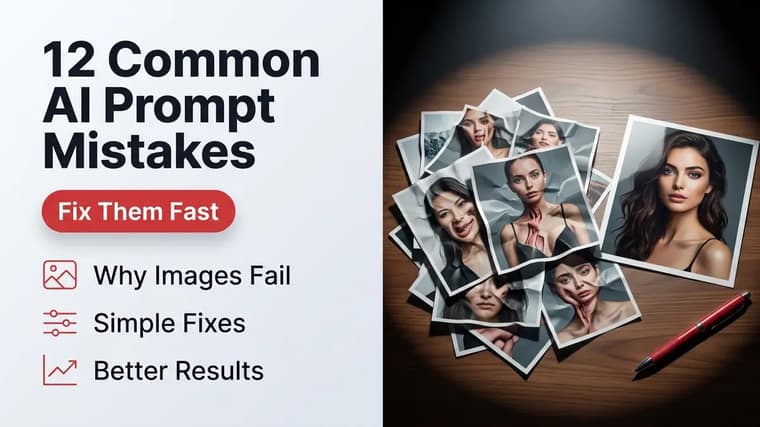
The twelve prompt mistakes that ruin AI images most often — vague subjects, style soup, buried details and more — with a clear fix and example for each.
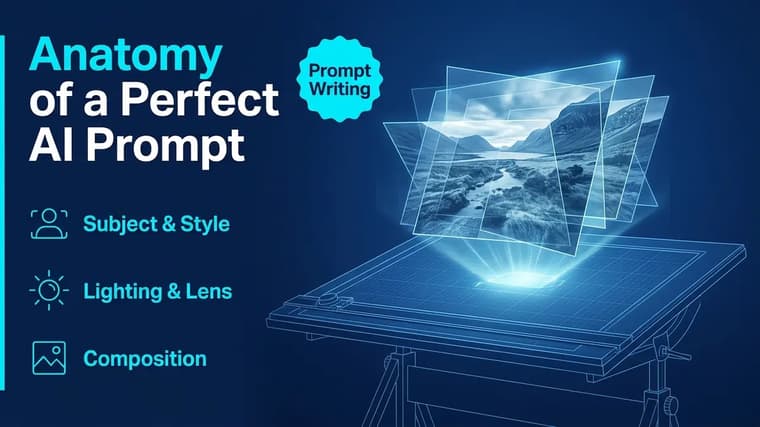
Break down a strong AI image prompt into its eight working parts — subject, action, environment, lighting, camera, style, mood, and quality modifiers.
Ten practical techniques for stronger AI image prompts — specificity, lighting words, camera language, style anchors, and more, each with a working example.
A plain-language look at how diffusion models turn text into images — training, denoising, seeds, why wording matters, and why hands used to go wrong.
Learn what AI image prompts are, how text becomes a picture, and how to write your first strong prompt — with clear weak vs. strong examples for beginners.